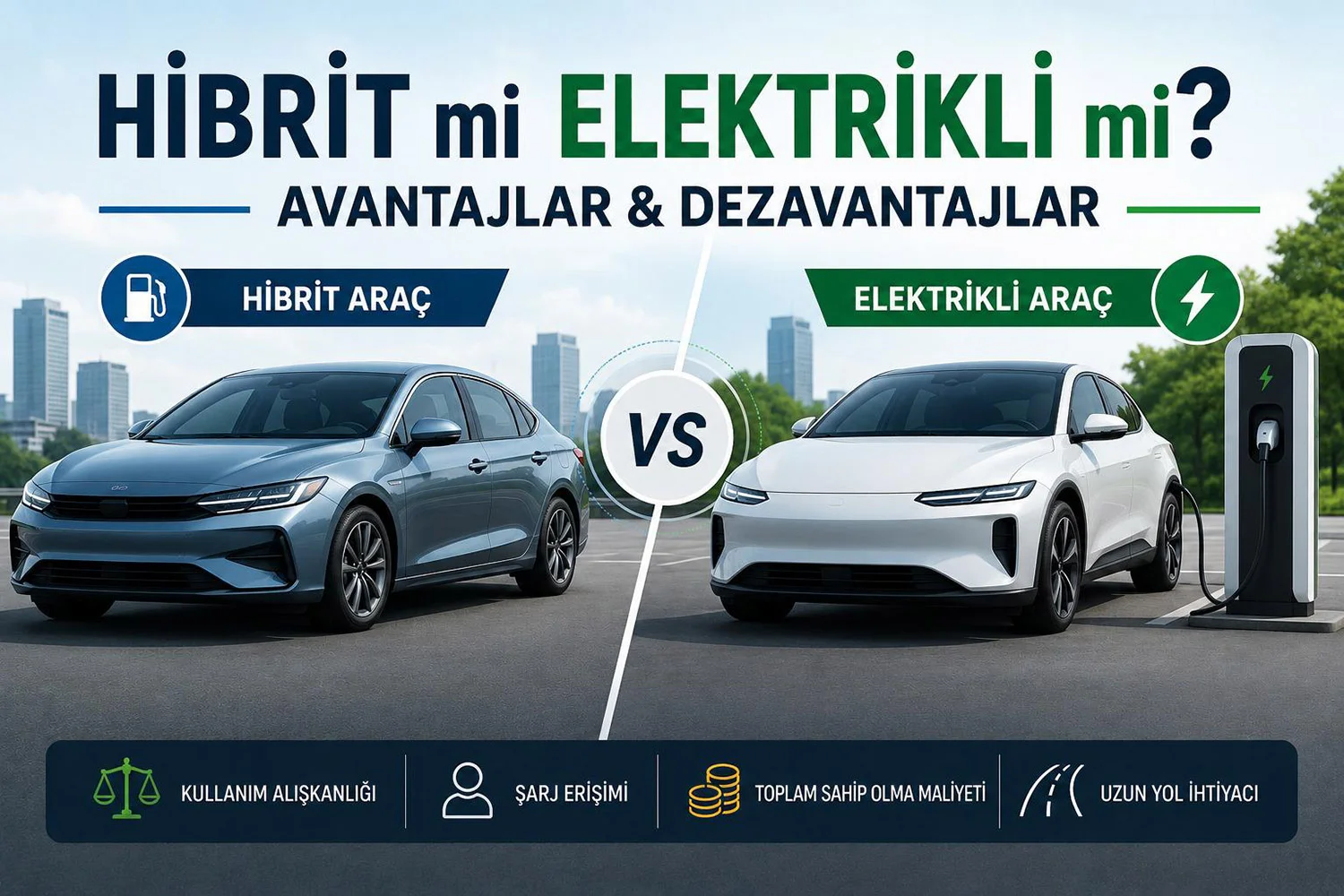
One of the most frequently asked questions during the transition to electric vehicles is: Hybrid or electric? There is no single answer that applies to everyone. The right choice depends on factors such as daily mileage, access to charging, long-distance driving habits, total cost of ownership, and usage expectations.
From a technical standpoint, hybrid vehicles and fully electric vehicles should not be categorized in the same class. Hybrid vehicles aim to reduce fuel consumption by supplementing an internal combustion engine with an electric motor. Fully electric vehicles, on the other hand, derive all their propulsion energy from a battery and produce no exhaust emissions during operation.
What Is a Hybrid Vehicle?
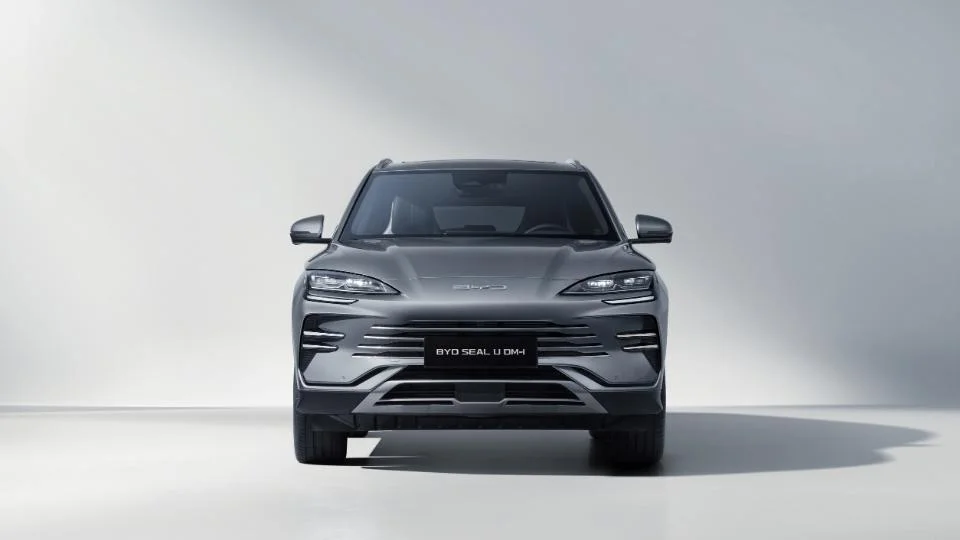
BYD SEAL U DM-İ
A hybrid vehicle is one that utilizes both an internal combustion engine and an electric motor. Its primary objective is to reduce fuel consumption and enhance energy efficiency, particularly in stop-and-go city traffic.
In conventional hybrid vehicles, the battery is not charged via an external power source; instead, it is charged through regenerative braking and the internal combustion engine. Consequently, conventional hybrid vehicles do not rely on charging stations.
Hybrid vehicles are generally categorized into three groups:
- Mild Hybrid:
The electric motor does not propel the vehicle on its own; rather, it provides assistance during takeoff, start-stop operations, and acceleration.
- Full Hybrid:
The vehicle can operate solely on the electric motor over short distances and at low speeds. However, the internal combustion engine remains the primary energy source.
- Plug-in Hybrid:
This type can be charged externally. It can function like an electric vehicle for short daily commutes; the internal combustion engine engages once the battery is depleted.
What Is an Electric Vehicle?
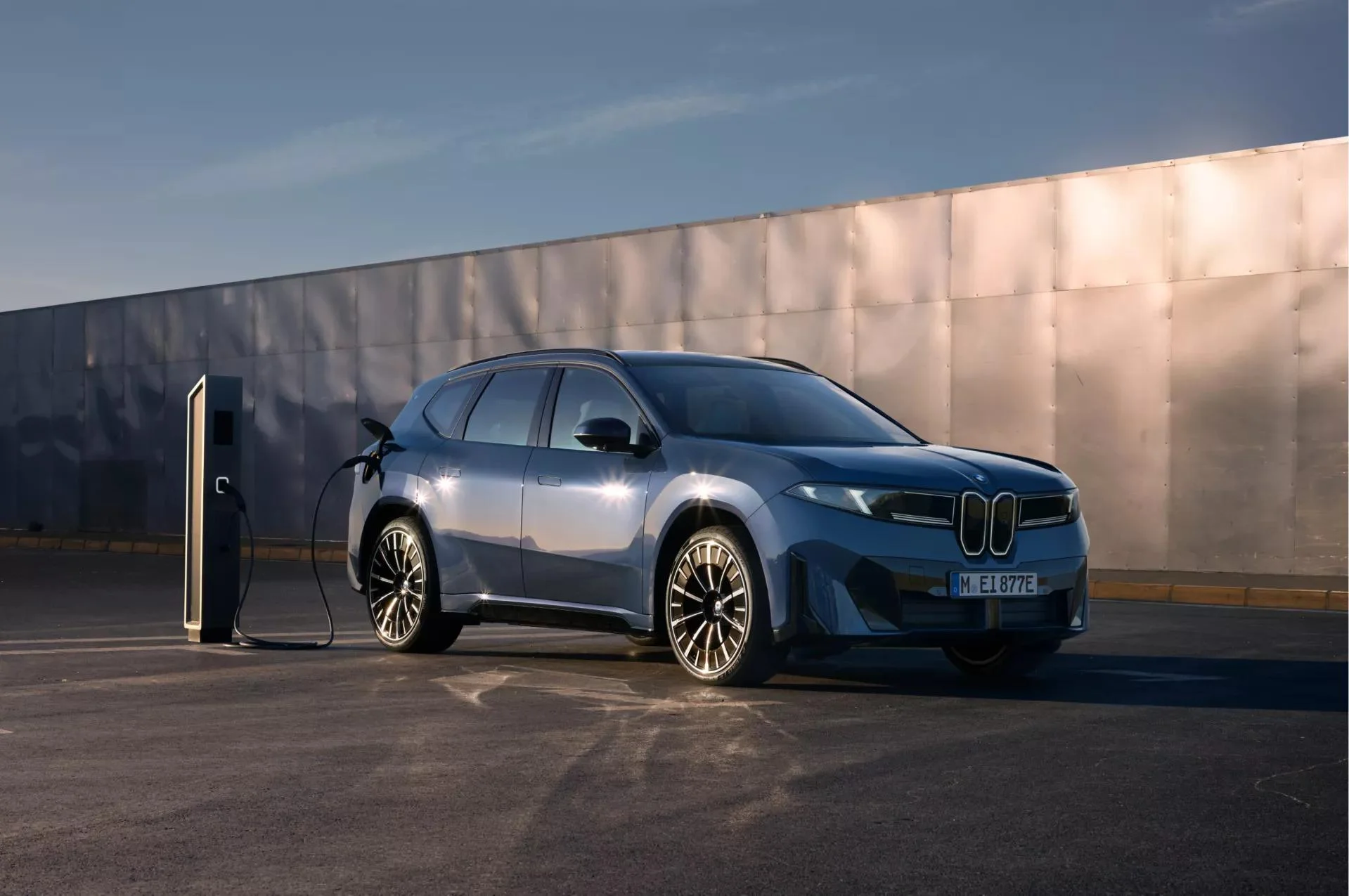
The New BMW iX3
An electric vehicle is a vehicle that derives its propulsion energy entirely from a battery and moves using an electric motor. These vehicles do not have gasoline or diesel engines. Consequently, many mechanical systems—such as the fuel tank, exhaust system, engine oil, clutch, and conventional multi-speed transmission—are either absent or feature a much simpler design.
In electric vehicles, energy is transferred to the battery from an external charging infrastructure. As the vehicle moves, the electric motor converts the energy stored in the battery into mechanical motion. During deceleration and braking, the electric motor acts as a generator, recovering a portion of the kinetic energy and feeding it back into the battery. This process is known as regenerative braking.
The fundamental difference with electric vehicles is that the energy conversion chain is shorter and more efficient. In internal combustion engines, the chemical energy in the fuel is first converted into heat and then into mechanical energy. In electric vehicles, however, electrical energy is converted directly into motion via the electric motor.
Hybrid vs. Electric Vehicles: Key Differences
Criteria |
Hybrid Vehicle |
Fully Electric Vehicle |
|---|---|---|
Primary Energy Source |
Gasoline/diesel + electric assist |
Battery electricity |
Drive System |
Internal combustion engine and electric motor work together |
Electric motor is the sole primary drive source |
External Charging Need |
Not required for conventional hybrids; required for plug-in hybrids |
Required |
Tailpipe Emissions |
Present |
None during operation |
Urban Efficiency |
Advantageous in stop-and-go traffic |
Very high |
Long-Distance Use |
Practical due to fuel infrastructure |
Charging planning is important |
Number of Moving Parts |
Higher |
Notably lower |
Routine Maintenance |
Ongoing maintenance for engine oil, filters, spark plugs, exhaust and fuel systems |
No maintenance items such as engine oil, spark plugs, fuel filter, or exhaust system |
Braking System |
Regenerative braking can reduce wear |
Regenerative braking can be used more extensively |
Mechanical Complexity |
Higher, due to combined combustion and electric systems |
Simpler powertrain architecture |
Usage Cost |
Fuel consumption is reduced but not fully eliminated |
Can be lower, depending on electricity cost |
User Habits |
Requires less change |
Requires developing a charging-planning habit |
Hybrid vehicles aim to mitigate the disadvantages of internal combustion engines through electric assistance. Electric vehicles, on the other hand, eliminate the internal combustion engine entirely, offering a simpler, quieter, and highly efficient propulsion architecture.
There is a significant difference here regarding maintenance. Vehicles with internal combustion engines contain numerous mechanical components such as pistons, the crankshaft, the valve train, the oil pump, the fuel system, the turbocharger, the clutch, the multi-speed transmission, and the exhaust system. Most of these systems are absent in fully electric vehicles. Consequently, the number of moving parts and the items requiring periodic maintenance are reduced.
However, electric vehicles are not "maintenance-free." Tires, the braking system, suspension, steering, the battery cooling system, software updates, and high-voltage safety checks require regular attention. The correct way to put it is this: maintenance is not eliminated entirely for electric vehicles; rather, its scope and nature change.
Advantages & Disadvantages of Electric Vehicles
The most significant advantage of electric vehicles is the high efficiency of their propulsion systems. Since electric motors can generate high torque from low RPMs, acceleration from a standstill is silent, rapid, and linear. This enhances driving comfort, particularly in urban settings.
Electric vehicles produce no exhaust emissions during operation. However, when assessing the total environmental impact, factors such as the electricity generation source, battery production, vehicle manufacturing, and recycling processes must also be considered.
Electric vehicles also offer advantages regarding maintenance. They do not require maintenance items such as engine oil, oil filters, fuel filters, spark plugs, exhaust systems, catalytic converters, turbochargers, or clutches. Periodic maintenance focuses primarily on tires, brakes, suspension, battery cooling systems, software, and general safety checks.
Advantages of electric vehicles:
- High energy efficiency
- Silent and comfortable driving
- Instant torque and a sense of powerful acceleration
- Zero exhaust emissions during operation
- Simpler powertrain architecture
- Fewer moving parts
- Reduced need for periodic maintenance
- Low operating costs if home or workplace charging is available
Disadvantages of electric vehicles:
- Dependence on charging infrastructure
- Need for route and charging planning on long journeys
- Battery costs and perception of resale value
- Range fluctuations due to cold weather, speed, and load
- Reduced convenience if home or workplace charging is unavailable
- Need for technical monitoring of battery, power electronics, and thermal management systems
Advantages & Disadvantages of Hybrid Vehicles
The most significant advantage of hybrid vehicles is their ability to reduce fuel consumption without requiring major changes to user habits. They can operate more efficiently than conventional gasoline vehicles, particularly in city traffic, thanks to electric motor assistance and regenerative braking.
In hybrid vehicles, the electric motor assists the internal combustion engine at low speeds and during acceleration. During braking, a portion of the energy that would normally be lost as heat is recovered. This configuration can lower fuel consumption during city driving.
However, hybrid vehicles are not entirely emission-free. They still require maintenance for the internal combustion engine, exhaust system, fuel system, and engine components. Additionally, electrical components such as the battery, electric motor, inverter, and hybrid control unit are part of the vehicle's architecture. Consequently, hybrid vehicles feature a more complex technical structure than fully electric vehicles.
With plug-in hybrid vehicles, the benefits depend on the user regularly charging the vehicle. A plug-in hybrid that is not charged regularly may fail to deliver the expected economic and environmental advantages.
Advantages of hybrid vehicles:
- They do not rely on charging infrastructure.
- They can reduce fuel consumption in city driving.
- Refueling is quick and convenient for long journeys.
- They do not require significant changes to user habits.
- Brake wear may be reduced thanks to regenerative braking.
- They can be considered an intermediate technology before transitioning to electric vehicles.
Disadvantages of hybrid vehicles:
- Exhaust emissions persist.
- Maintenance for the internal combustion engine is still required.
- The powertrain architecture is more complex.
- All-electric driving capability is limited.
- They have more moving parts and maintenance requirements compared to electric vehicles. For plug-in hybrid vehicles, the benefits depend on regular charging.
Which One Is More Suitable for Which User?
The answer to this question depends more on the usage scenario than on technical specifications.
For users who have access to regular charging at home or work, have a predictable daily driving distance, and seek low operating costs, a fully electric vehicle is the stronger option. For this user profile, an electric vehicle offers distinct advantages in terms of both energy costs and driving comfort.
For users who lack access to charging, frequently drive long distances, or do not wish to deal with charging logistics, a hybrid vehicle may be more practical. Full hybrid vehicles, in particular, reduce fuel consumption in city driving while maintaining the convenience of conventional refueling infrastructure.
User Profile |
More Suitable Option |
|---|---|
Has charging access at home or work |
Electric vehicle |
Daily use is mostly within the city |
Electric vehicle or full hybrid |
Frequently drives long distances and doesn't want to plan charging |
Hybrid vehicle |
Prioritizes low maintenance and low energy cost |
Electric vehicle |
Limited access to charging infrastructure |
Hybrid vehicle |
Wants to drive electric for short trips and use fuel for long trips |
Plug-in hybrid |
Wants to take a cautious approach to the technology transition |
Hybrid vehicle |
Ultimately, the answer to the question of whether to choose a hybrid or an electric vehicle depends not only on the vehicle technology itself but also on how the user accesses energy. From an engineering perspective, electric vehicles are simpler, more efficient, and hold greater potential for long-term transformation. Hybrid vehicles, on the other hand, offer a practical solution during the transition period, particularly for users with limited access to charging infrastructure.
Current Status of Electric Vehicles and Charging Networks in Turkey and EPDK Projections at a Glance
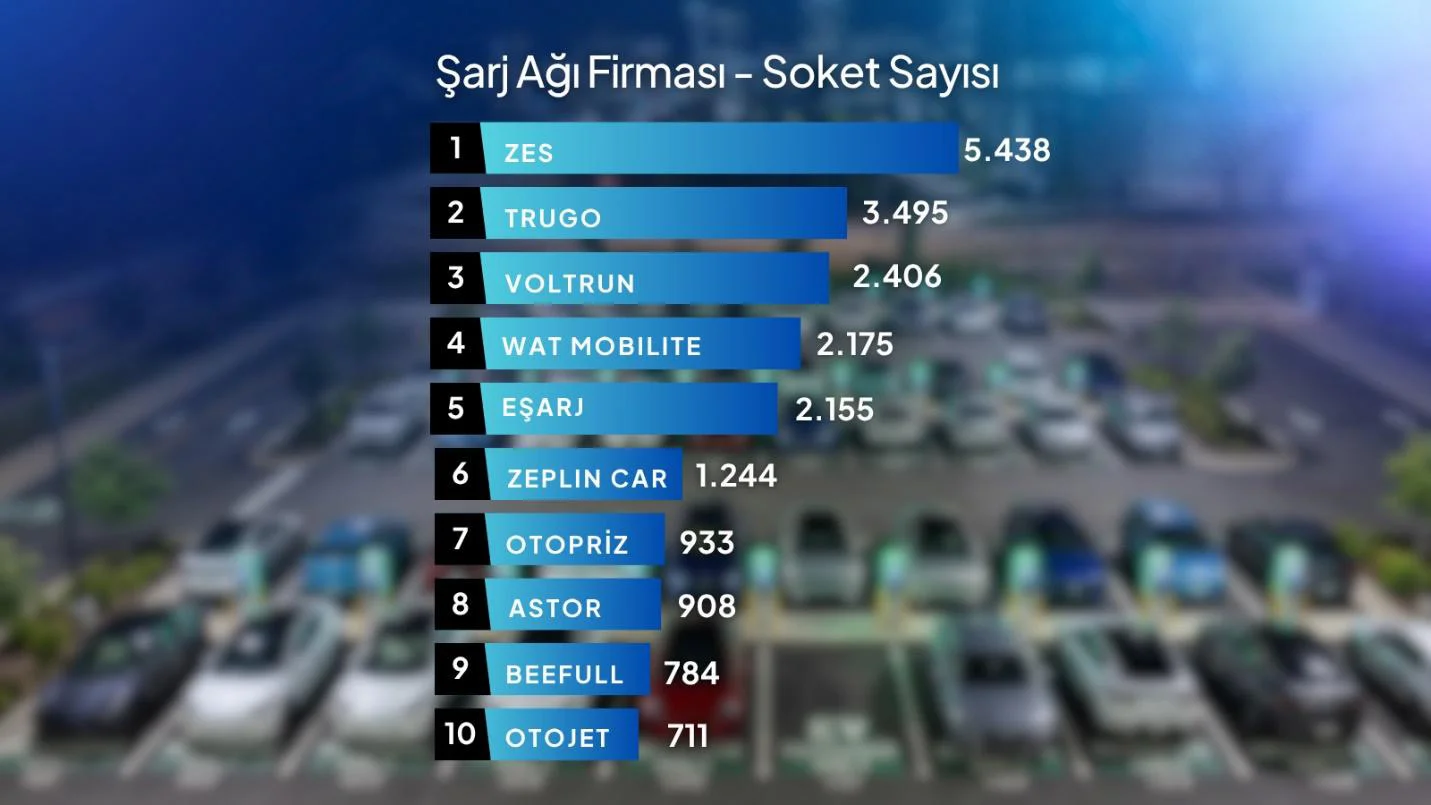
EVCify Data Sharing Platform: Projected charging network points as of May 2026
When deciding whether to purchase an electric vehicle, looking solely at the current number of vehicles or the existing charging station network is insufficient. This is because the electric vehicle ecosystem is a dynamic structure that evolves alongside infrastructure investments, energy management, battery technologies, software systems, and user habits.
According to updated projections by the EMRA (Energy Market Regulatory Authority), the number of electric vehicles in Turkey is expected to reach approximately 2.3 million under the medium-growth scenario and approximately 2.77 million under the high-growth scenario by 2030. For 2035, estimates suggest approximately 5.63 million electric vehicles under the medium-growth scenario and over 7 million under the high-growth scenario.
Growth is also anticipated in charging infrastructure. The same projections indicate that the total number of charging points could reach approximately 127,000 (medium scenario) and 153,000 (high scenario) by 2030, and approximately 199,000 (medium scenario) and 249,000 (high scenario) by 2035.
These data demonstrate that electric vehicle usage will become increasingly widespread with each passing year. However, the user experience will not depend solely on the number of charging points. Factors such as optimal station placement, the AC/DC balance, charging power, availability, ease of payment, software integration, and local grid capacity will be just as critical as the number of stations.
According to EMRA’s projections, electricity consumption driven by electric vehicles is expected to remain at approximately 2% of Turkey’s total electricity consumption in 2030 and around 4% in 2035, even under the highest-demand scenario. These figures indicate that while electric vehicles may represent a manageable load at the national level, issues such as simultaneous charging, transformer loading, and smart power management will become critical at the local distribution grid level.
Therefore, for electric vehicle users, the right approach goes beyond simply asking, "Which vehicle should I buy?" Factors such as home or workplace charging options, daily driving distances, long-distance travel habits, tire selection, battery health, and charging behavior must all be considered together.
References:
- EVCify. Data Platform. Access: https://evcify.com/veri-platformu
- BMW Turkey. BMW iX3. Access: https://www.bmw.com.tr/tr/all-models/x-serisi/ix3/bmw-ix3.html
- BYD Turkey. BYD SEAL U DM-i. Access: https://www.bydauto.com.tr/sealu-dmi
- EPDK. Electric Vehicle and Charging Infrastructure Projection. Access: https://www.epdk.gov.tr/Detay/Icerik/4-14379/elektrikli-arac-ve-sarj-altyapisi-projeksiyonu
- Alternative Fuels Data Center. Hybrid Electric Vehicles. Access: https://afdc.energy.gov/vehicles/electric-basics-hev
- Alternative Fuels Data Center. How Do Hybrid Electric Cars Work? Access: https://afdc.energy.gov/vehicles/how-do-hybrid-electric-cars-work
- Alternative Fuels Data Center. Electric Vehicle Basics. Access: https://afdc.energy.gov/vehicles/electric-basics-ev
- Alternative Fuels Data Center. Electric Vehicles. Access: https://afdc.energy.gov/files/u/publication/electric_vehicles.pdf