
Electric vehicles are no longer merely a "technology of the future"; they have become a tangible transportation alternative for today. Unlike internal combustion and hybrid vehicles, electric vehicles are transforming not only the driving experience but also charging habits, energy consumption patterns, and the very concept of vehicle ownership.
This transformation is evident in Turkey through concrete data. According to the "Electric Vehicle and Charging Infrastructure Projection" study by EPDK (Energy Market Regulatory Authority), there were a total of 411,796 electric vehicles in Turkey as of the end of March 2026. Of these, 408,314 fall into the passenger car category. During the same period, the total number of commercial charging points reached 41,938, comprising 23,900 AC and 18,038 DC charging points.
This picture demonstrates that electric vehicles are no longer a niche technology favored only by early adopters. However, many people considering purchasing an electric vehicle for the first time still have similar questions in mind:
"How do I operate an electric vehicle?"
"Is charging difficult?"
"Will the range be sufficient for my needs?"
"Will I face issues on long-distance trips?"
"Does the battery degrade quickly?"
"What should I pay attention to when driving an electric car?"
These questions are entirely natural, as operating an electric vehicle requires a different set of habits compared to driving conventional gasoline or diesel cars. However, this difference does not make driving the vehicle difficult. With the right information, electric vehicles offer a quieter, more comfortable, and more efficient experience that is highly practical for daily use.
In this article, we will cover practical and technically accurate recommendations for those who are about to drive an electric vehicle for the first time or are considering purchasing one.
Things You Need to Know Before You Start Driving an Electric Vehicle
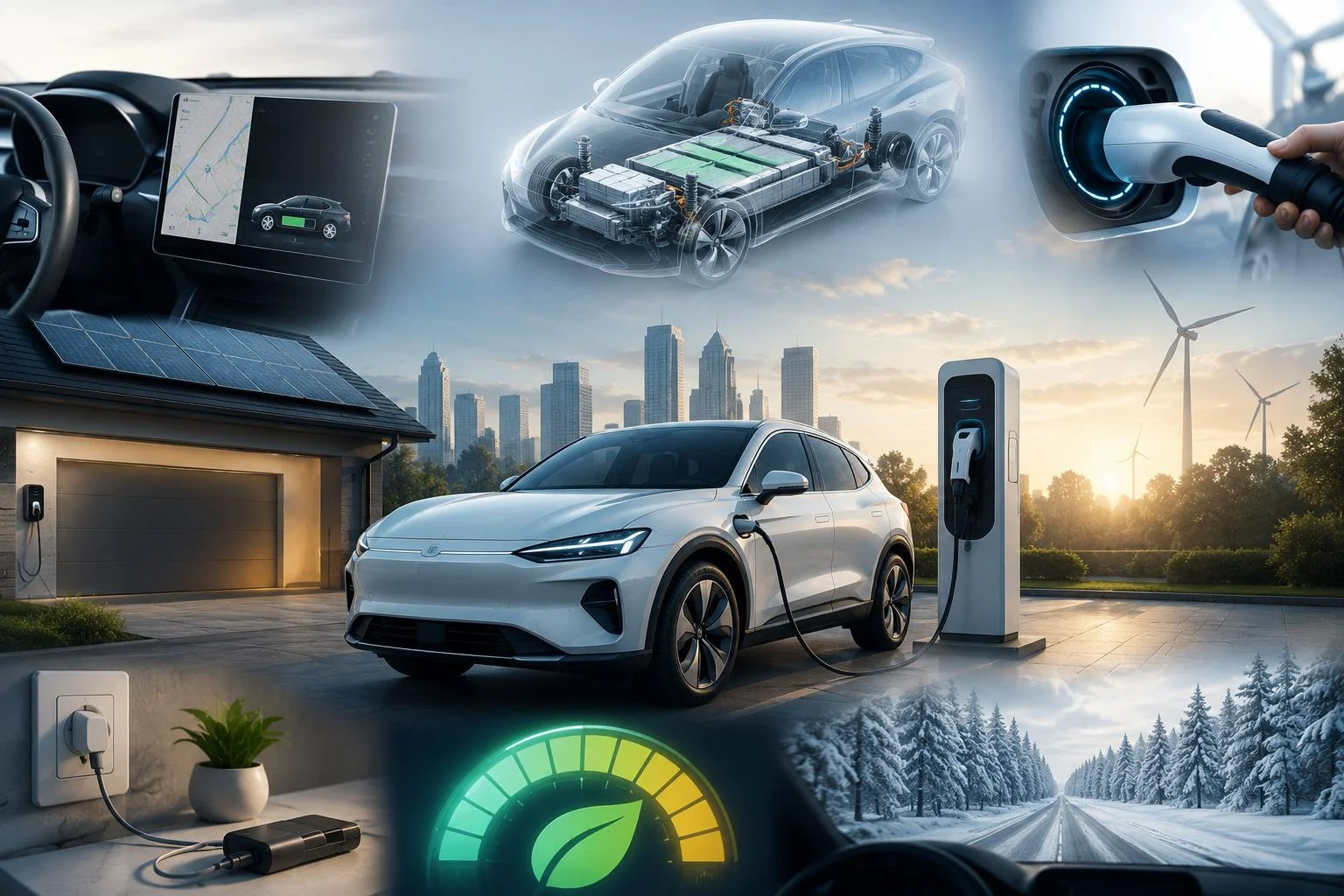
Electric vehicles feature a powertrain structure that differs from that of internal combustion engine vehicles. In gasoline or diesel vehicles, energy is released through fuel combustion and transmitted to the wheels via the engine, transmission, and drivetrain. In electric vehicles, however, electrical energy stored in the battery is converted into kinetic energy through an inverter and an electric motor.
This distinction directly affects driving characteristics. Since electric motors can generate high torque from low speeds, the vehicle can feel quite responsive upon initial acceleration. Drivers new to electric vehicles need to exercise greater control over the accelerator pedal, especially in urban environments.
Another significant difference is the quietness of operation. The absence of internal combustion engine noise makes the driving experience calmer and more comfortable. However, at low speeds, this silence requires pedestrians and cyclists to be more vigilant.
Before driving an electric vehicle, it is essential to familiarize yourself with the following aspects:
Real-world driving range, the difference between AC and DC charging, battery charge level, charging time, regenerative braking, tire pressure, driving modes, battery thermal management, and mobile charging apps.
In short, driving an electric vehicle is not difficult; however, rather than simply carrying over habits from conventional vehicles, it is necessary to adopt a new approach to driving.
Develop a charging habit
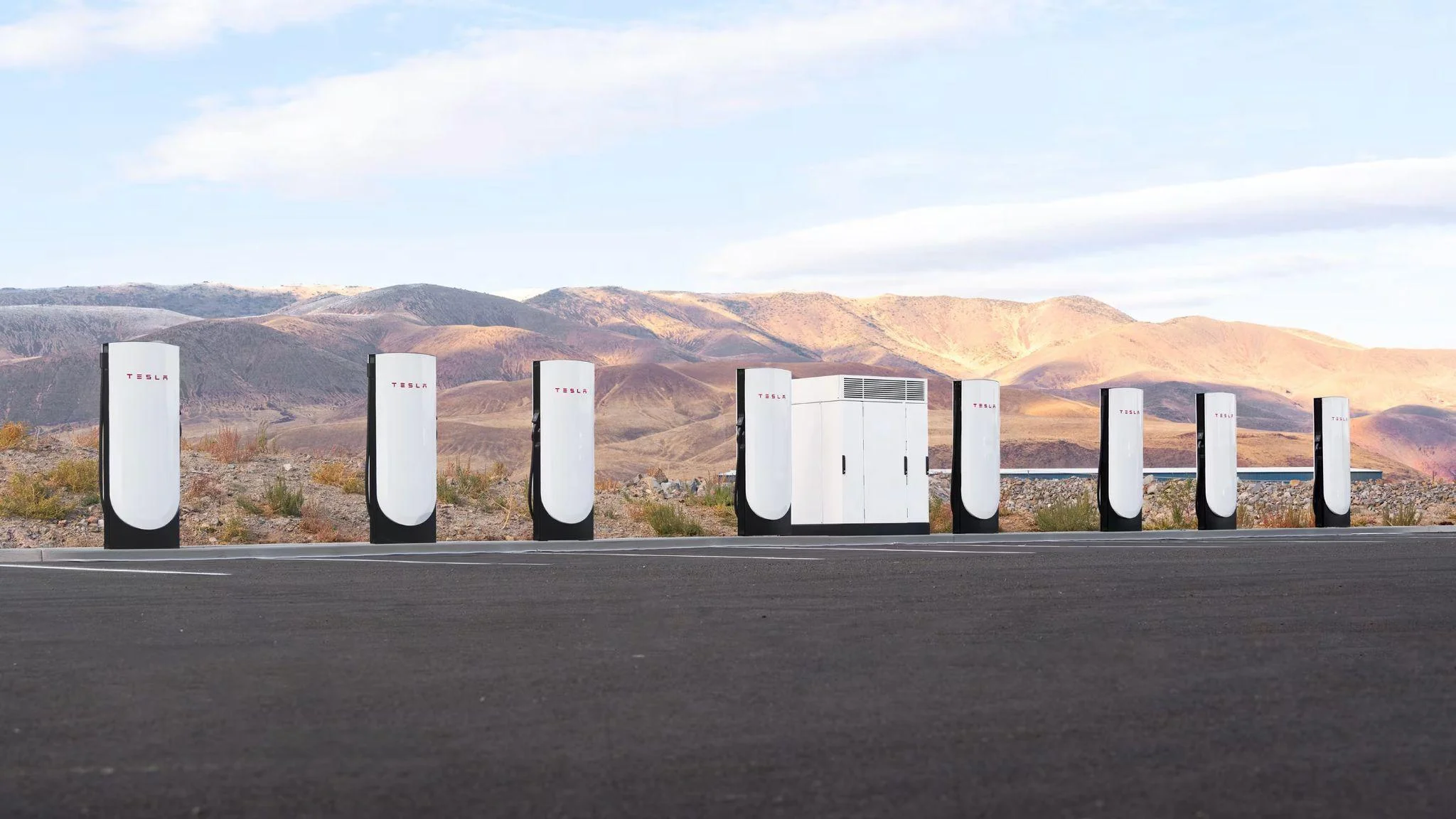
One of the most important aspects of electric vehicle usage is charging habits. With internal combustion engine vehicles, one visits a gas station when fuel runs low. However, for electric vehicles, the ideal approach is not to consistently let the battery drop to very low levels before fully recharging it.
A healthier approach for electric vehicles is to charge the car as part of one's daily routine. Charging at home, at work, in parking lots, at shopping malls, or during stops on long journeys can all become part of this habit.
There is an important factor here regarding battery chemistry. Lithium-ion batteries, which are widely used in electric vehicles today, can undergo greater chemical stress if left at very high or very low charge levels for extended periods. Over the long term, this can accelerate battery degradation.
For this reason, maintaining a charge level between 20% and 80% is considered a healthy habit for many users in daily driving. However, this is not an absolute rule; battery chemistries and manufacturer recommendations can vary.
LFP and NMC stand out among the battery chemistries commonly used in electric vehicles. LFP stands for lithium iron phosphate, while NMC refers to a chemistry containing nickel, manganese, and cobalt. NMC batteries generally offer higher energy density, meaning they can store more energy within a similar weight and volume. However, they can be more sensitive to high temperatures and to remaining at high charge levels for prolonged periods. Consequently, a charge limit of around 80% for daily use is a common recommendation for vehicles equipped with NMC batteries.
LFP batteries, on the other hand, generally stand out for their superior thermal stability, long cycle life, and cost advantages. However, their energy density may be lower than that of NMC batteries. For some vehicles equipped with LFP batteries, the manufacturer may recommend charging to 100% at regular intervals to ensure the battery management system can accurately calibrate the state-of-charge.
Therefore, the best approach is to consider the vehicle's specific battery chemistry and the manufacturer's recommendations. While maintaining a charge level between 20% and 80% is generally a good habit, it should not be viewed as an absolute rule applicable to every vehicle or battery chemistry.
It is also important to clarify that charging the vehicle to 100% before a long trip is not incorrect. What is problematic is leaving the vehicle at 100% charge or at a very low battery level for extended periods unnecessarily.
Manage Your Range Effectively
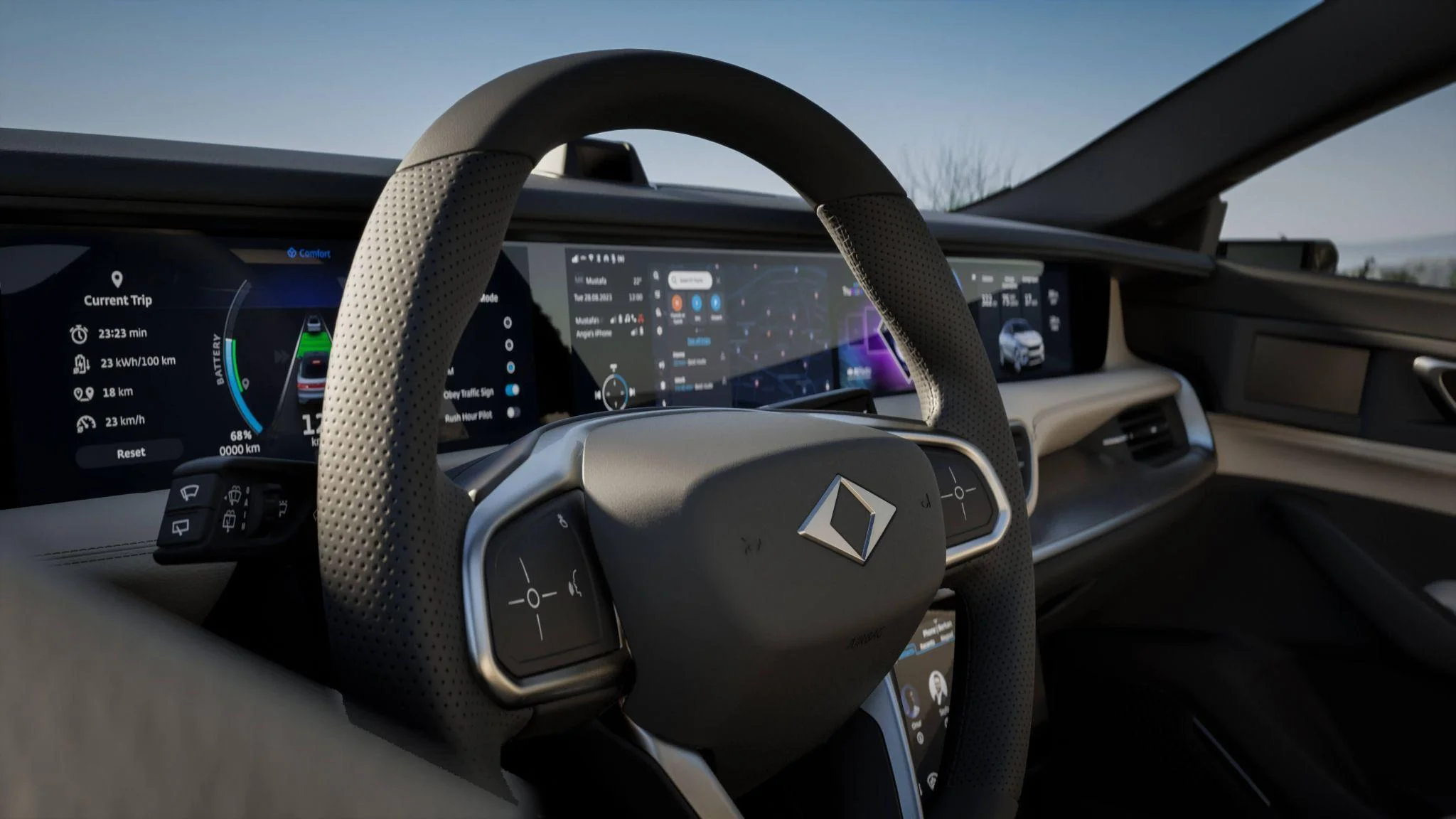
Electric vehicle range is one of the topics that most interests potential buyers. While the range figure listed in the specifications is an important reference, actual range depends on many variables.
The primary factors affecting range include:
Driving speed, ambient temperature, road gradient, wind, use of air conditioning or heating, tire pressure, vehicle load, battery temperature, driving mode, and the driver's acceleration and braking habits.
High speeds, in particular, have a significant impact on the range of electric vehicles. The main reason for this is aerodynamic drag. As speed increases, air resistance rises much more rapidly—not linearly. Simply put, while air resistance increases roughly with the square of the speed, the power required to overcome that resistance can increase nearly with the cube of the speed.
Consequently, an electric vehicle that is highly efficient at speeds of 90–100 km/h may consume more energy and experience a faster drop in range at highway speeds of 120–130 km/h. This phenomenon is not unique to electric vehicles; it applies to internal combustion engine vehicles as well. However, because energy consumption and remaining range are more prominently displayed on the dashboard of electric vehicles, users notice this difference more clearly.
Electric vehicles generally offer advantages for city driving. They operate more efficiently at lower speeds and can recover some energy during deceleration thanks to regenerative braking.
Therefore, one of the best answers to the question of what to consider when using an electric vehicle is this:
Range should be evaluated not merely by asking "how many kilometers can this vehicle travel?" but by asking "is it suitable for my daily usage scenario?"
If your daily driving distance is around 40–80 km, many electric vehicles can easily meet your needs in practical terms. However, if you frequently travel between cities, factors such as DC fast-charging support, the charging curve, station availability, and the charging infrastructure along your route become just as important as battery capacity.
Use Regenerative Braking Correctly
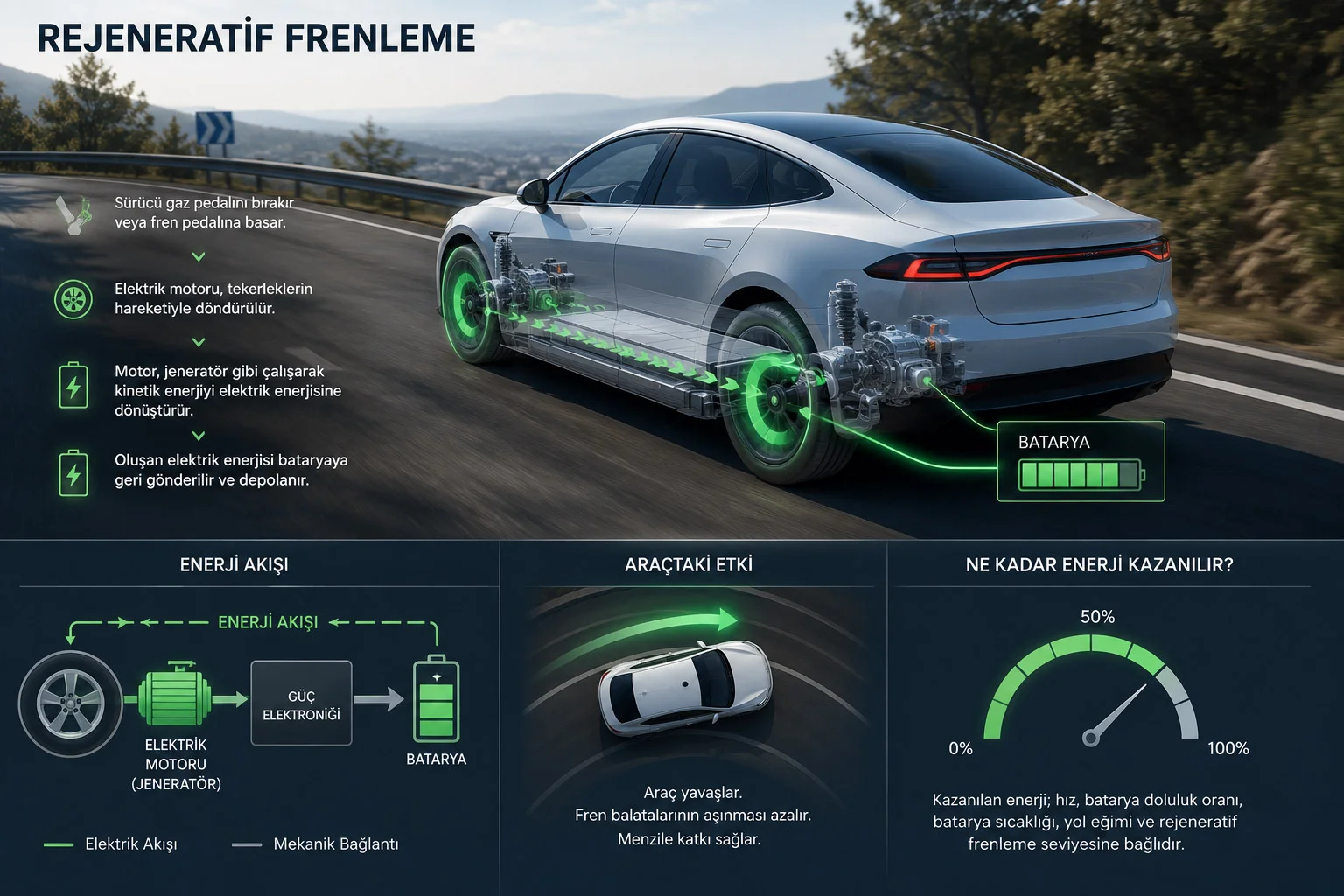
One of the most significant advantages of electric vehicles is the regenerative braking system. So, what is regenerative braking?
Regenerative braking is a process where the vehicle uses its electric motor as a generator during deceleration to convert a portion of its kinetic energy into electrical energy and feed it back into the battery. In conventional braking systems, most of this energy is lost as heat through the brake discs and pads; however, in electric vehicles, some of this energy can be recovered.
There is a technically important point to note here: regenerative braking cannot recover all of the braking energy. Conversion losses occur within the motor, inverter, power electronics, and battery. Additionally, the battery's temperature and state of charge affect its regenerative braking capacity.
For instance, regenerative braking may be limited when the battery is fully charged (100%), as the battery requires a certain capacity to accept the recovered energy. If the battery is full or very cold, the vehicle may reduce regenerative braking to protect the battery. In such cases, mechanical brakes may engage more heavily to slow the vehicle down.
This information is particularly relevant when descending long hills. While it is common practice to charge a vehicle to 100% before a long trip, one should be aware that regenerative braking might be restricted if a long descent follows immediately. In such situations, the vehicle may provide a different deceleration feel than the driver is accustomed to.
Regenerative braking offers particular advantages in city driving. It positively impacts the vehicle's range during stop-and-go traffic, downhill descents, and controlled deceleration. However, its effect is not as pronounced during long highway drives as it is in urban settings.
For those driving an electric vehicle for the first time, the best approach is to experiment with the regenerative braking levels in a controlled manner. Some vehicles offer low, medium, and high regeneration options. Certain models provide a “one-pedal driving” experience. This feature offers comfort but requires an adjustment period.
Plan Charging Stations in Advance
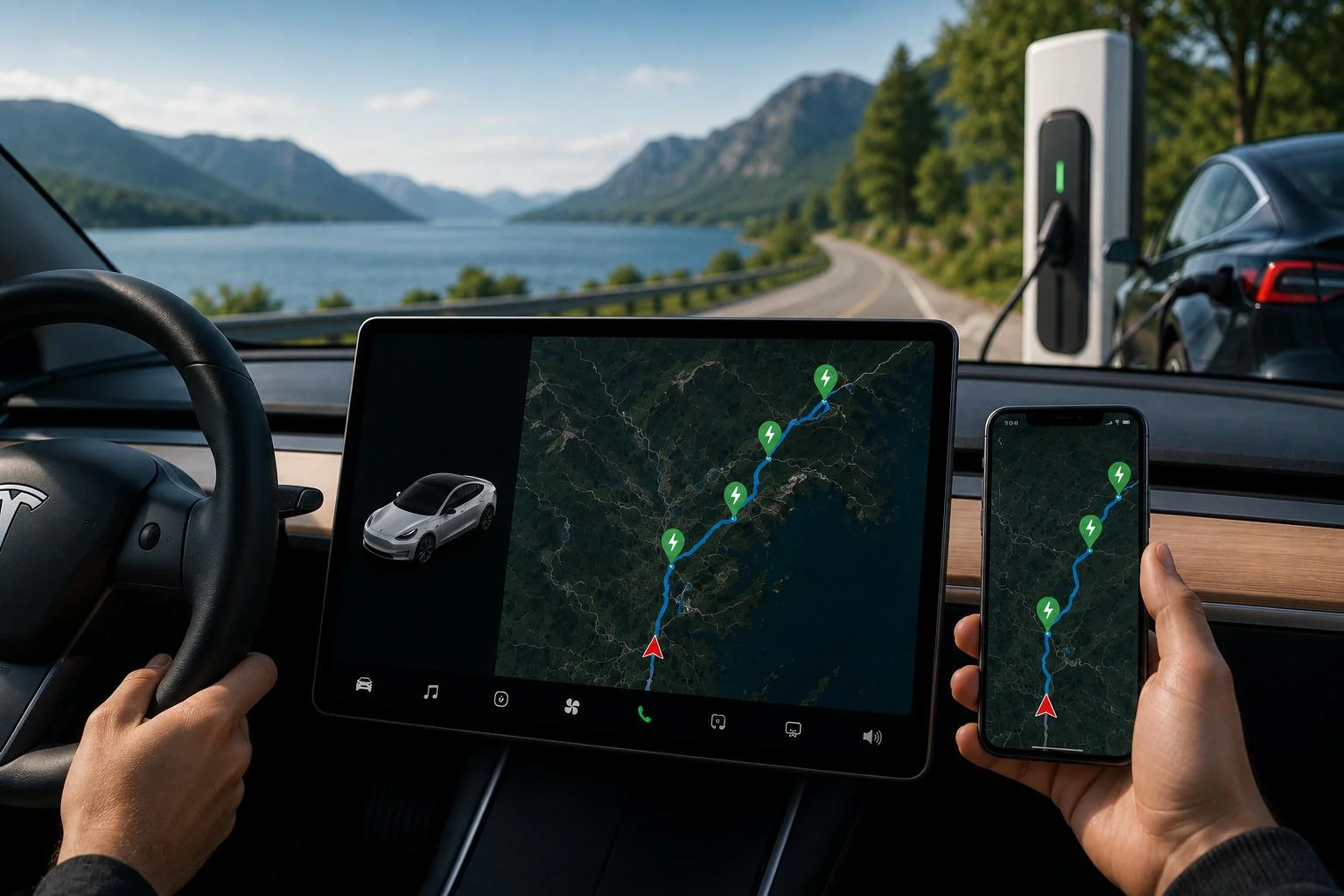
One of the most important habits when driving an electric vehicle is planning your charging stops in advance. It is essential to check for charging stations along your route, especially before embarking on a long-distance trip.
Today, you can view station locations, socket/connector types, power levels, availability, and pricing information via the mobile apps of many charging network operators. This information is invaluable when planning long-distance journeys.
A common mistake made by new electric vehicle owners is leaving their long-distance charging plan until the last minute. However, the best approach when driving long distances is to determine your rest stops and charging points beforehand.
Here is a practical approach:
Even if your vehicle has a rated range of 450 km, do not base your long-distance travel plan on utilizing that entire figure. Factors such as speed, air temperature, road gradient, wind, and air conditioning usage can affect range. For a safer driving experience, it is necessary to plan charging stops based on realistic range estimates.
For instance, rather than taking a risk by letting the battery level drop to 5–10% during a long trip, it is a sounder driving strategy to stop and charge at suitable stations while the battery is still at a safer level.
The projection approach adopted by the EPDK (Energy Market Regulatory Authority) also provides an important framework in this regard. When assessing charging infrastructure needs, the EPDK considers not only urban usage but also intercity transit points, tourism density, and major transportation corridors. This approach highlights that charging planning is critical not only within major cities but also along long-distance travel routes.
Learn the difference between AC and DC charging
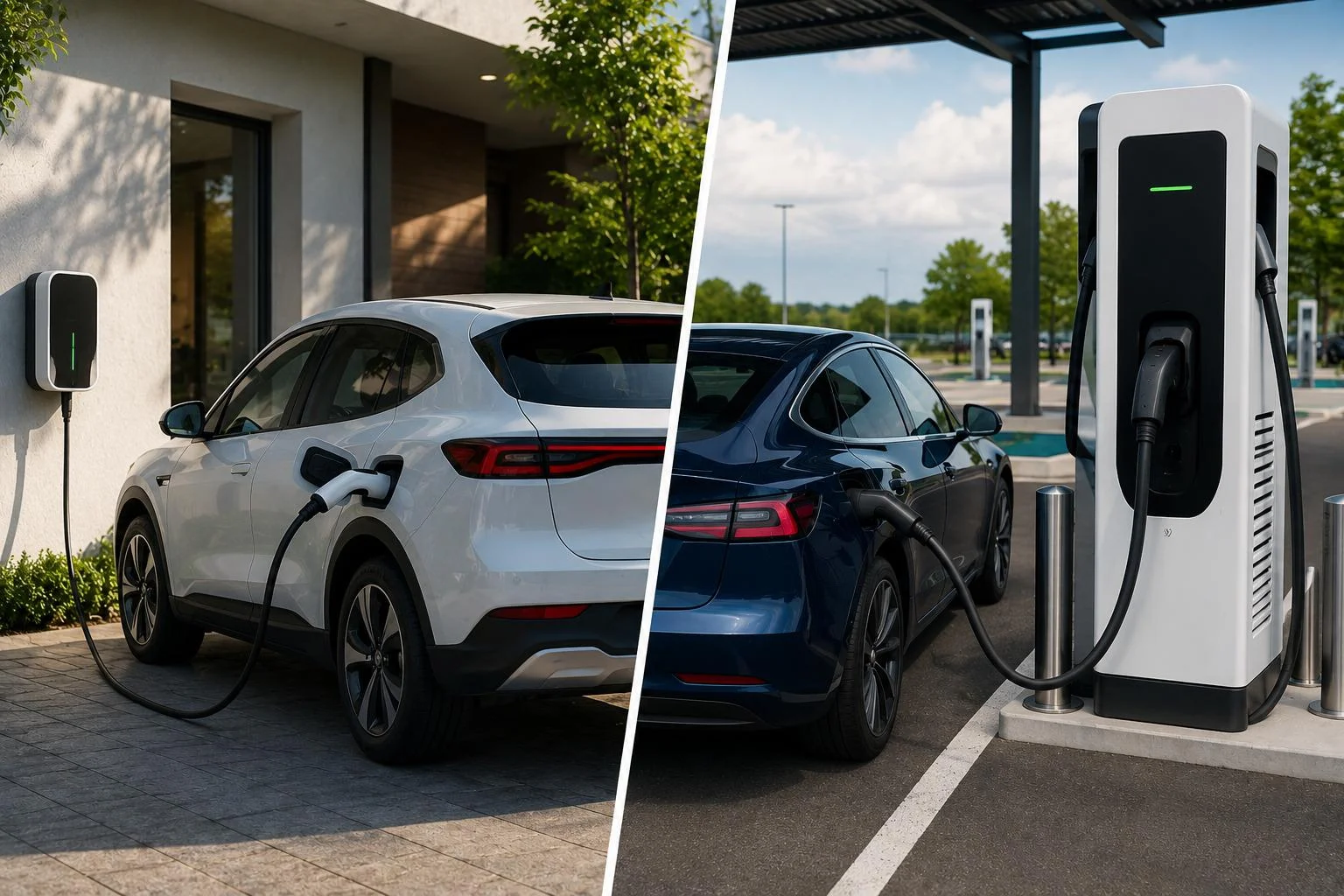
One of the most fundamental technical distinctions regarding electric vehicle charging is the difference between AC and DC charging.
In AC charging, the alternating current (AC) from the grid is converted into direct current (DC) by the vehicle's On-Board Charger (OBC), and the battery is charged in this manner. The OBC is the vehicle's built-in charging unit; consequently, the power conversion process during AC charging takes place largely inside the vehicle.
There is a crucial detail here: the AC charging speed is not determined solely by the station's power output; the vehicle's OBC capacity is also a deciding factor. For instance, even if an AC charging station can supply 22 kW of power, if the vehicle's OBC capacity is 11 kW, the vehicle can only charge at a maximum rate of approximately 11 kW.
In DC charging, however, the alternating current is converted into direct current inside the charging station itself, and DC energy is transferred directly to the battery. This allows DC fast-charging stations to operate at much higher power levels. The vehicle's OBC capacity is not a determining factor in DC charging; instead, the vehicle's maximum DC charging acceptance rate, battery temperature, state of charge, and battery management system play the key roles.
However, even with DC charging, the charging time is not determined solely by the station's power output. The vehicle's maximum supported DC charging power, state of charge, battery temperature, and charging curve are the deciding factors.
For example, a vehicle connected to a 300 kW DC station cannot draw 300 kW if it only supports a maximum DC charging rate of 150 kW. Moreover, a vehicle capable of accepting a maximum of 150 kW will not continuously draw that full 150 kW of power throughout the entire charging process.
Pay Attention to Cold and Hot Weather Conditions
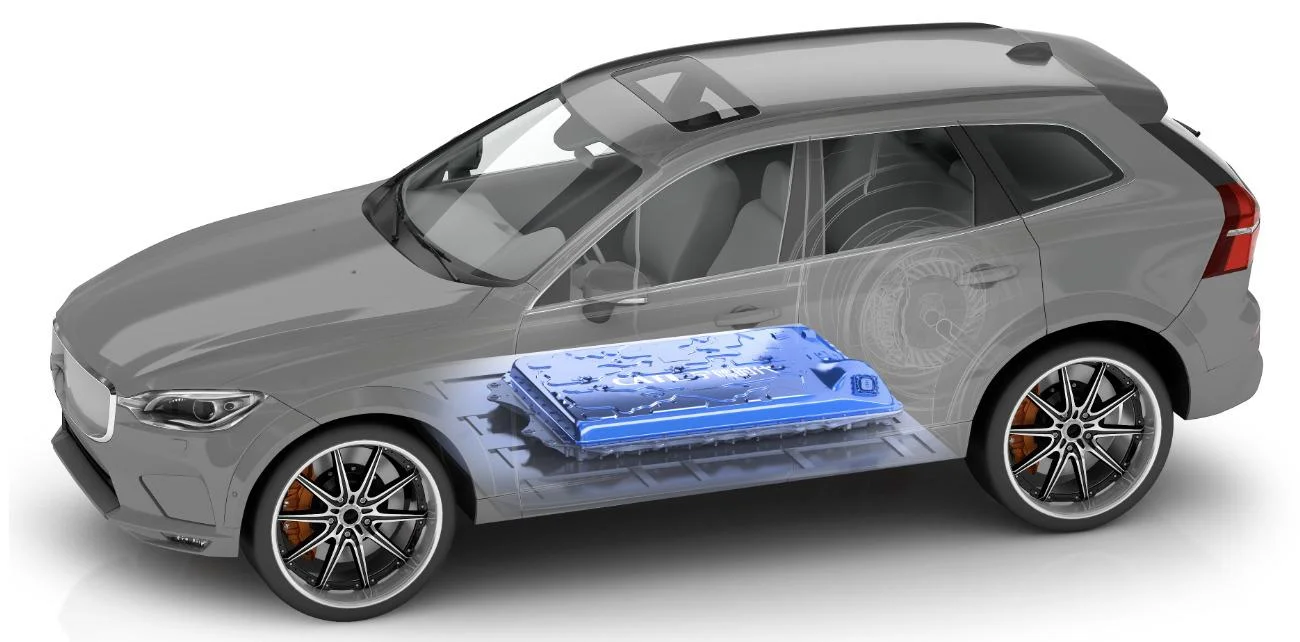
Battery performance in electric vehicles is affected by ambient temperature. This issue relates not only to energy consumption for air conditioning or heating but also to battery chemistry.
Lithium-ion batteries operate more efficiently within a specific temperature range. In very cold weather, internal battery resistance can increase, chemical reactions may slow down, and the battery's ability to deliver or accept energy can diminish. This situation can impact both driving range and fast-charging performance.
The primary reasons for reduced range in cold weather include:
Reduced efficiency of battery chemistry at low temperatures, energy consumption for cabin heating, the need for battery heating, a drop in tire pressure, and harsher road conditions.
Therefore, one of the best practices in cold weather is to pre-condition the vehicle while it is plugged into a charger. Pre-conditioning helps bring the battery and cabin to an optimal temperature before setting off. This aims to minimize the energy drawn from the battery once the vehicle begins moving.
In hot weather, battery thermal management becomes crucial. Extremely high temperatures can accelerate chemical aging within the battery. In modern electric vehicles, the battery management system and thermal management system work to mitigate this risk. Nevertheless, avoiding leaving the vehicle exposed to extreme heat for extended periods while the battery is at a high state of charge is a healthier usage habit.
For prospective electric vehicle buyers, the vehicle's battery thermal management system is a key factor to consider. Battery temperature management can influence both vehicle performance and long-term battery health, particularly for users who frequently drive long distances, utilize fast charging, or live in regions with hot or cold climates.
Pay Attention to Tire Pressure and EV-Compatible Tires
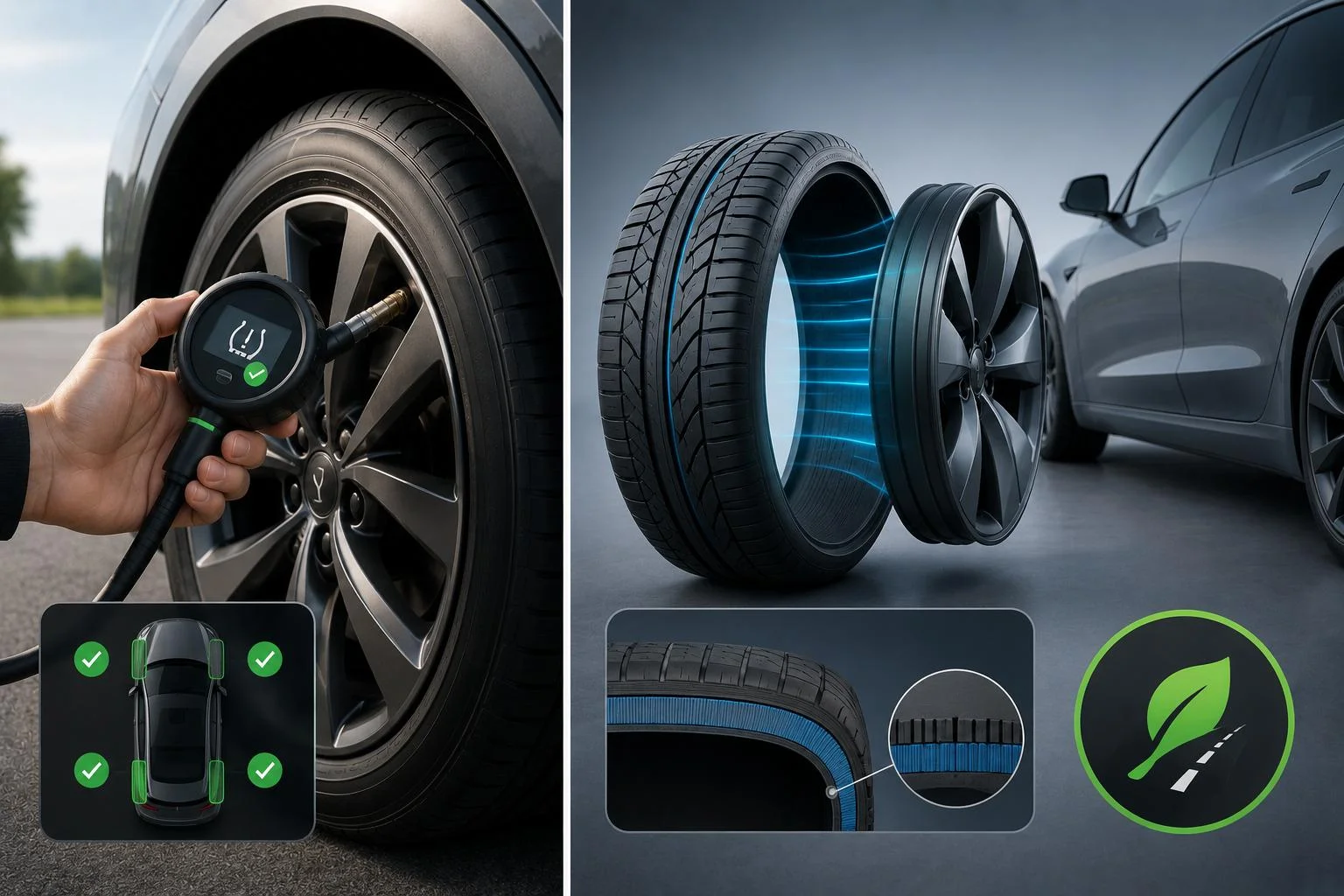
For electric vehicles, tire pressure and tire selection have a direct impact on driving range. Low tire pressure increases rolling resistance, which raises energy consumption and reduces range. It can also accelerate tire wear and negatively affect braking performance.
Tire selection is particularly critical for electric vehicles. This is because EVs can be heavier than similarly sized internal combustion engine vehicles due to their battery packs. Furthermore, the ability of electric motors to deliver instant, high torque places a unique type of load on the tires.
EV-compatible tires are generally engineered to meet specific requirements:
Lower rolling resistance, reduced road noise, appropriate load-bearing capacity, durability against the instant torque of electric motors, and a tire structure that supports extended range.
However, low rolling resistance alone is not a sufficient criterion. Factors such as road grip, braking performance, wet-surface capabilities, load index, speed rating, and the tire size and pressure specifications recommended by the vehicle manufacturer must also be taken into account.
Therefore, electric vehicle owners should regularly check tire pressure and ensure that replacement tires meet the technical specifications outlined in the vehicle's owner's manual. The right tire influences not only driving range but also safety, comfort, and long-term operating costs.
Use Charging Apps
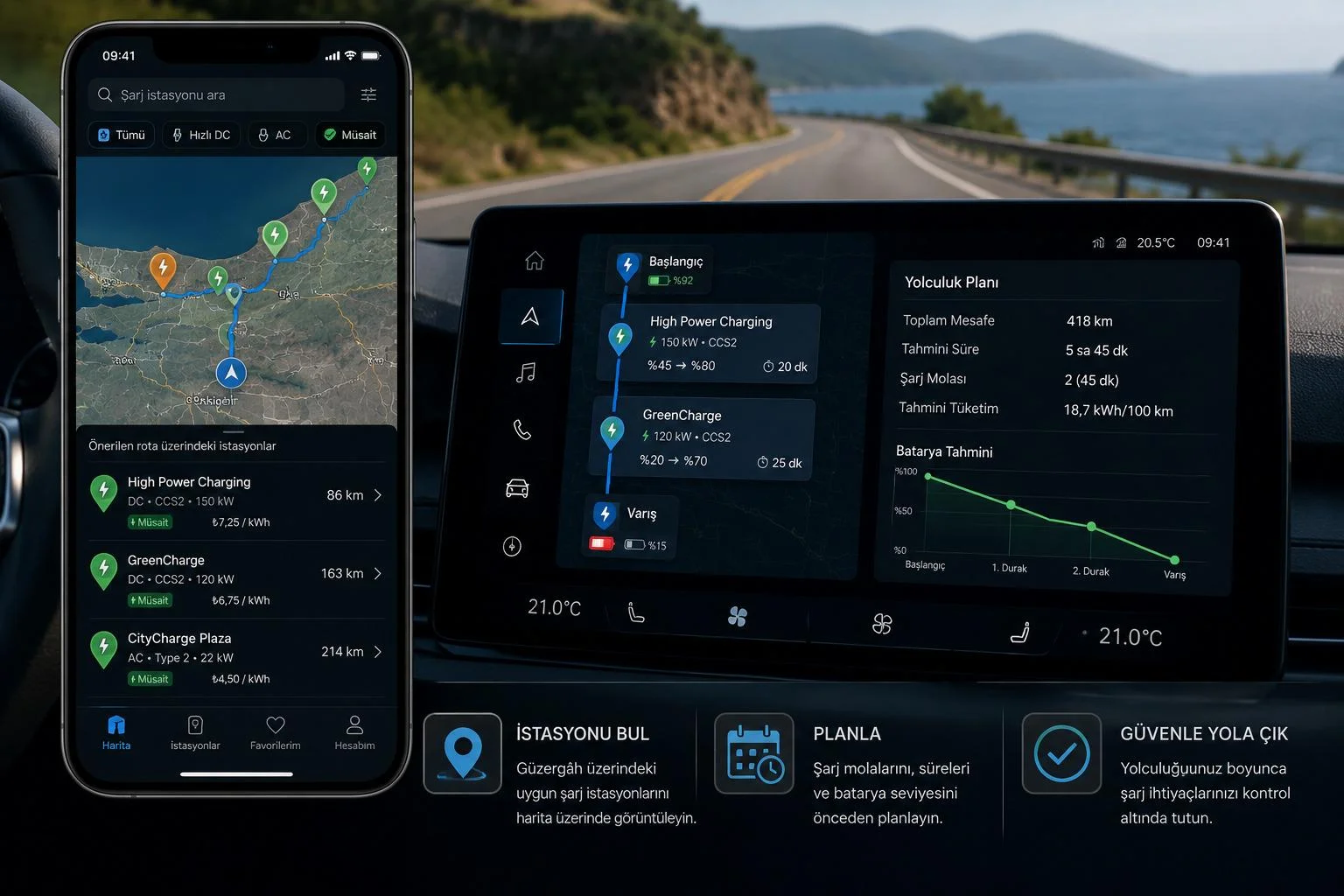
Mobile apps have become an essential part of the driving experience for electric vehicle users. Through charging apps, you can view stations on a map, check for compatible sockets, review prices, and initiate the charging process.
We advise first-time electric vehicle users not to rely on just a single charging app. It is particularly beneficial to download apps from various charging network operators to your phone before embarking on long journeys.
When using a charging app, pay attention to the following details:
Station status (active/inactive), socket availability, AC or DC charging type, charging power, pricing model, payment method, location accuracy, and user reviews.
A key technical consideration here is socket/connector compatibility. In the Turkish and European markets, Type 2 is generally used for AC charging, while CCS2 is common for DC fast charging. Nevertheless, before purchasing a vehicle, it is essential to verify the connection type it supports and ensure compatibility with the charging network you intend to use.
The "Open Access Platform" approach adopted by the EPDK (Energy Market Regulatory Authority) is also significant in this context. EPDK’s initiative aims to make information—such as the location, socket types, power output, payment methods, availability, and service prices of public charging stations—easily accessible to users.
Therefore, using an electric vehicle involves more than just driving; understanding the charging ecosystem, effectively using apps, and checking station details are also vital components of the experience.
Keep Up with Vehicle Software Updates
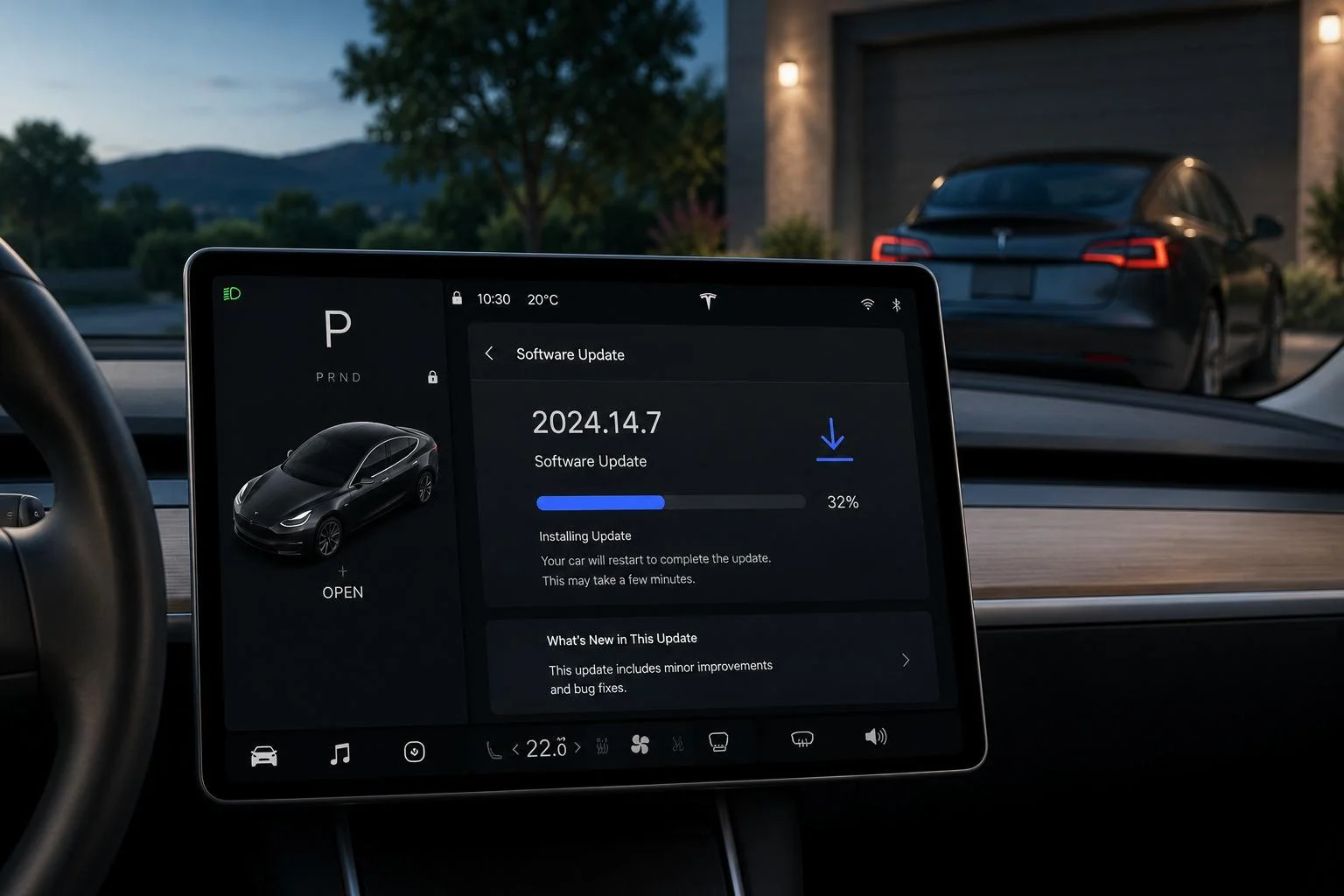
Modern electric vehicles are no longer merely mechanical products. In electric vehicles, components such as the battery management system, motor control unit, inverter, thermal management system, driver assistance systems, and multimedia systems all operate via software.
Consequently, software updates are crucial for electric vehicles. While some updates simply enhance the display or multimedia experience, others can improve energy management, charging performance, battery management, or driver assistance systems.
When purchasing an electric vehicle, it is important to consider the manufacturer's approach to software updates. Some manufacturers perform updates through service centers, while others offer remote software updates.
An electric vehicle is not a product that remains static in the state it was in when purchased; brands with robust software support can continuously improve the user experience over time.
Areas such as charging optimization, battery preconditioning, route planning, energy consumption estimation, and fast-charging performance are specific examples of how software directly impacts the user experience in electric vehicles.
Consider Charging Options at Home or Work
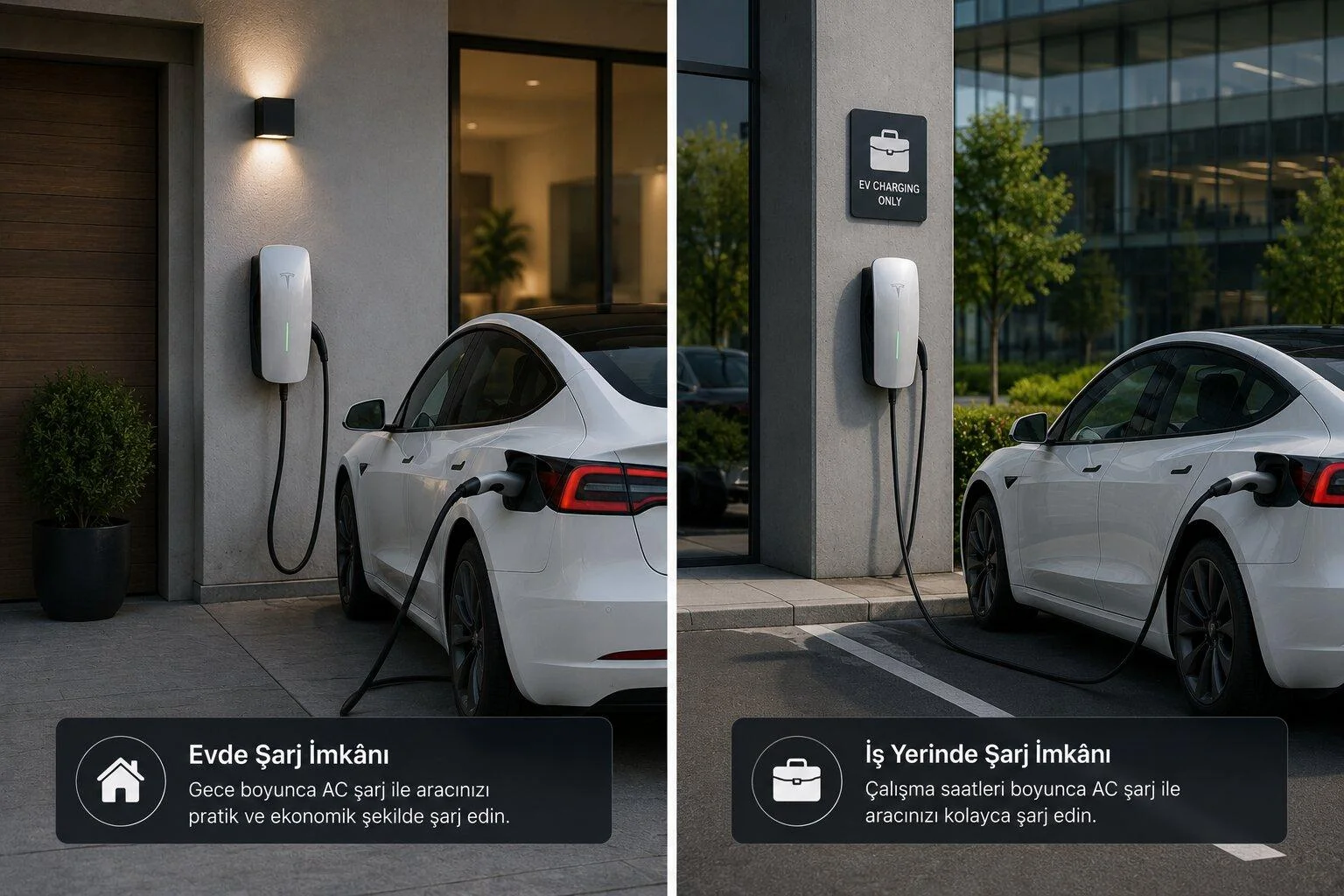
One of the factors that most simplifies the electric vehicle experience is the ability to charge at home or at work. Being able to charge your vehicle at home overnight or at work during the day makes using an electric vehicle much more convenient.
AC charging at home or work is generally the most practical solution for daily use, as the vehicle remains parked for extended periods, eliminating the need for extremely high charging power. For instance, a controlled AC charge performed overnight can easily meet the daily needs of many users.
However, the electrical infrastructure is a crucial factor here. When installing a charger, considerations must include the building's electrical wiring, distribution board capacity, cable gauge, residual current protection, grounding, load management, and authorized installation procedures. Technical assessments and management approval processes may be required, particularly for parking areas in apartment complexes and residential estates.
Before purchasing an electric vehicle, the following questions should be asked:
Do I have the option to charge at home or at work?
Is the electrical infrastructure in the parking area suitable?
Is a technical assessment required for charger installation?
Can I meet my daily driving needs solely through public charging stations?
A study by the Energy Market Regulatory Authority (EPDK) highlights that a significant portion of AC charging points can be installed in apartment complexes, residential estates, workplaces, and private areas. Some of these installations may not appear in statistics regarding commercial public charging stations. Therefore, when evaluating the electric vehicle ecosystem, it is essential to look beyond public stations and consider charging infrastructure at homes, residential estates, workplaces, and for fleets.
For a prospective electric vehicle owner, this means that if safe AC charging options are available at your home or workplace, using an electric vehicle becomes far more practical and cost-effective for daily driving.
Where Is the Electric Vehicle Ecosystem in Turkey Heading?

EVCify Veri Paylaşım Platformu, 2026 Mayıs ayı mevcut şarj ağı noktası
EVCify Data Sharing Platform: Projected charging network points as of May 2026
When deciding whether to purchase an electric vehicle, looking solely at the current number of vehicles and charging stations is insufficient. This is because the electric vehicle ecosystem is a rapidly growing sector that evolves alongside infrastructure investments and is directly linked to the energy system.
According to the updated projections by the EMRA (Energy Market Regulatory Authority), the number of electric vehicles in Turkey is expected to reach approximately 2.3 million under the medium-growth scenario and approximately 2.77 million under the high-growth scenario by 2030. For 2035, estimates suggest figures of approximately 5.63 million for the medium-growth scenario and over 7 million for the high-growth scenario.
Similar growth is anticipated regarding charging infrastructure. The same projections indicate that the total number of charging points could reach approximately 127,000 (medium scenario) and 153,000 (high scenario) by 2030, and approximately 199,000 (medium scenario) and 249,000 (high scenario) by 2035.
For the end user, these data imply the following:
The use of electric vehicles will become increasingly widespread year by year, and charging infrastructure will expand. However, the user experience will not depend solely on the number of stations; factors such as station placement, the AC/DC balance, power levels, availability, ease of payment, software integration, and grid capacity will be just as critical as the quantity of stations.
The transition to electric vehicles is not limited to the automotive sector alone; it represents a broader ecosystem transformation involving the interplay of the electrical grid, power electronics, battery technologies, software, energy management, and user behavior.
A study by the EPDK (Energy Market Regulatory Authority) projects that, even under the highest-growth scenario, electricity consumption driven by electric vehicles will remain at approximately 2% of Turkey’s total electricity consumption in 2030 and around 4% in 2035. This indicates that while electric vehicles may constitute a manageable load in terms of total national electricity consumption, issues such as regional capacity, simultaneous charging, and power management will become increasingly important at the local distribution grid level.
Therefore, the right approach for an electric vehicle user is not merely to "choose a vehicle," but to holistically consider charging behavior, home and workplace infrastructure, long-distance travel habits, tire selection, and battery health.
References:
- EPDK. Charging Network Infrastructure Projection. Access: https://www.epdk.gov.tr/Detay/Icerik/3-0-234-1040/enerji-donusumusarj-agi-altyapisi-projeksiyonu-
- U.S. Department of Energy. Winterizing Your Electric Vehicle. Access: https://www.energy.gov/articles/winterizing-your-electric-vehicle
- U.S. Department of Transportation. EV Basics: Charging Speeds. Access: https://www.transportation.gov/rural/ev/toolkit/ev-basics/charging-speeds
- Michelin. How Tires Impact Your Electric Vehicle Range. Access: https://www.michelinman.com/auto/auto-tips-and-advice/electric-mobility-guide/how-tires-impact-your-electric-vehicle-range
- National Renewable Energy Laboratory. Electric Vehicle Range and Charging Performance Report. Access: https://docs.nrel.gov/docs/fy23osti/84520.pdf
- EVCify. Data Platform. Access: https://evcify.com/veri-platformu